Buy welp.eu ?
We are moving the project
welp.eu .
Are you interested in purchasing the domain
welp.eu ?
domain@kv-gmbh.de · 0541-91531010
Buy welp.eu ?
What is vestibular syndrome in dogs?
Vestibular syndrome in dogs is a condition that affects the inner ear and the balance system. It can be caused by a variety of factors, including infections, inflammation, or even tumors. Symptoms of vestibular syndrome include loss of balance, head tilt, rapid eye movements, and difficulty walking. While the sudden onset of these symptoms can be alarming, many dogs can recover with supportive care and treatment. It's important to consult with a veterinarian if you suspect your dog is experiencing vestibular syndrome to determine the underlying cause and appropriate treatment. **
What signs does an older dog with vestibular syndrome show?
An older dog with vestibular syndrome may show signs such as sudden loss of balance, head tilt, circling or falling to one side, rapid eye movements (nystagmus), and difficulty standing or walking. They may also exhibit signs of nausea, such as vomiting or loss of appetite. It is important to seek veterinary care if you notice these symptoms in your older dog, as vestibular syndrome can be distressing and uncomfortable for them. **

Similar search terms for Vestibular
Top-Angebote
Products related to Vestibular:
-
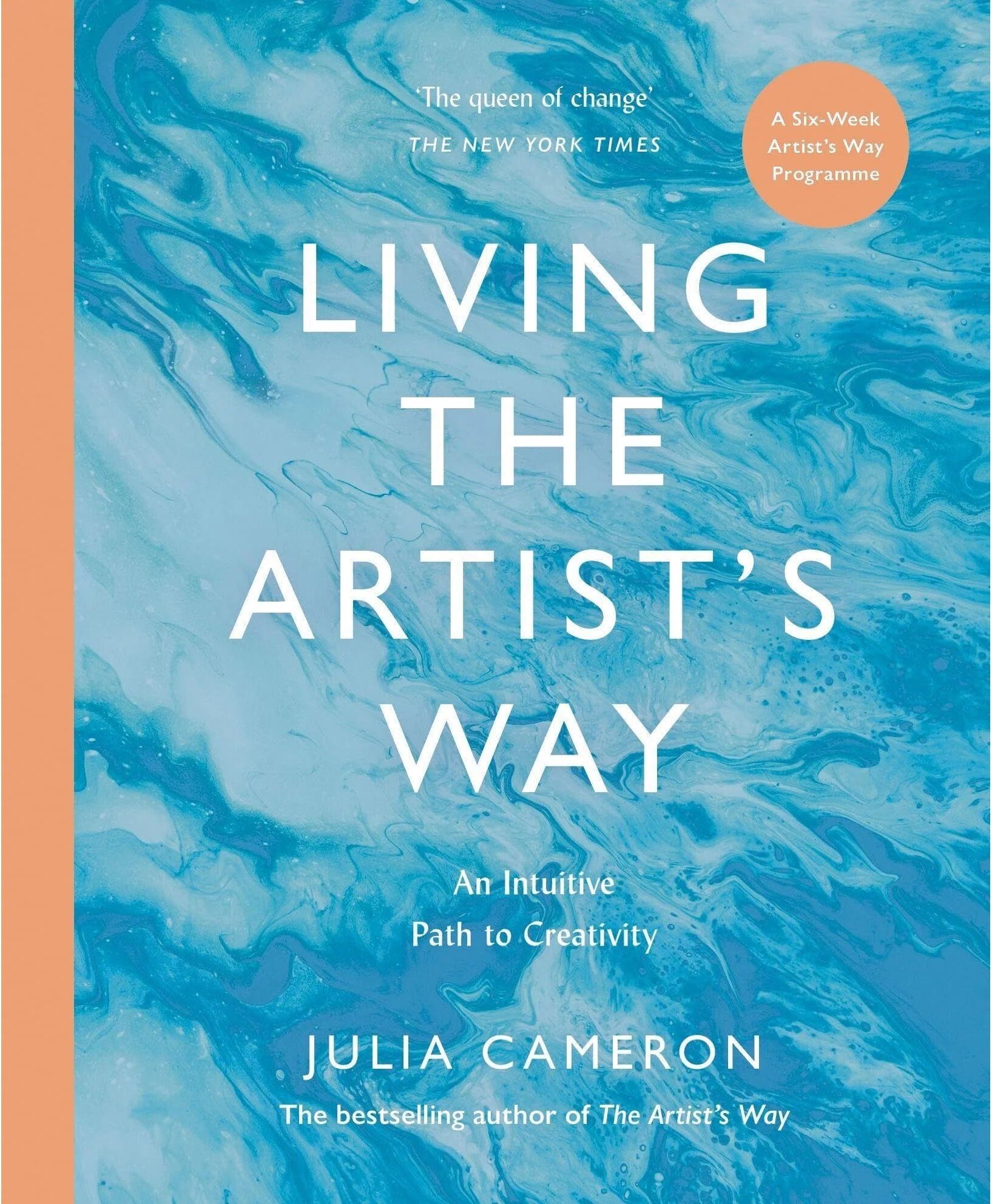
Souvenir Press Living the Artist's Way: An Intuitive Path to Creativity by Julia Cameron - Paperback Self-Help Book on Creativity & GuidanceDiscover Julia Cameron's intuitive path to creativity with Living the Artist's Way, a practical companion for anyone seeking to deepen their creative recovery and quieten self-doubt. This brand new paperback from Souvenir Press invites readers into a deeply personal exploration of how guidance, both spiritual and intuitive, can transform the creative life. Cameron's signature practices, including Morning Pages, Artist Dates, and Walks, are built upon in this six-week programme, introducing readers to Writing for Guidance as a fourth core discipline. A warm and supportive guide for anyone looking to reconnect with their creativity and overcome self-doubt, Living the Artist's Way is a must-read for anyone on a journey of creative discovery.9,99 £*Shipping: 2,99 £Secure redirect to the provider
-
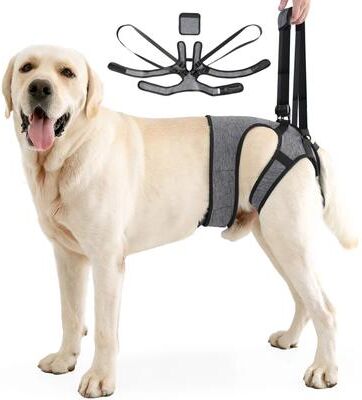
Inspire Select Dog Lift Support Harness Adjustable Rear Leg Support Sling For Mobility Assistance gray xlHelp your furry companion move with greater comfort and confidence using this supportive dog lift harness. Designed to provide reliable assistance for pets with mobility challenges, this dog support sling helps reduce strain while walking, climbing...90,98 $*Shipping: 0,00 $Secure redirect to the provider
-
Inspire Select Dog Lift Support Harness Adjustable Rear Leg Support Sling For Mobility Assistance gray mHelp your furry companion move with greater comfort and confidence using this supportive dog lift harness. Designed to provide reliable assistance for pets with mobility challenges, this dog support sling helps reduce strain while walking, climbing...148,95 $*Shipping: 0,00 $Secure redirect to the provider
-
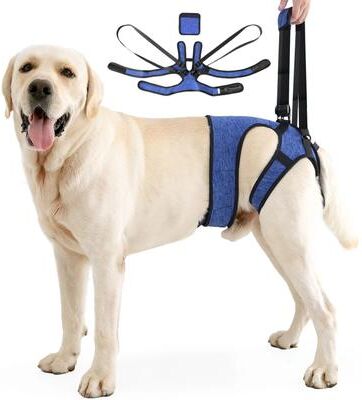
Inspire Select Dog Lift Support Harness Adjustable Rear Leg Support Sling For Mobility Assistance blue xlHelp your furry companion move with greater comfort and confidence using this supportive dog lift harness. Designed to provide reliable assistance for pets with mobility challenges, this dog support sling helps reduce strain while walking, climbing...90,98 $*Shipping: 0,00 $Secure redirect to the provider


-
What signs does an older dog suffering from vestibular syndrome show?
An older dog suffering from vestibular syndrome may show signs such as sudden loss of balance, head tilt, circling or falling to one side, rapid eye movements (nystagmus), and difficulty standing or walking. They may also exhibit signs of nausea, such as drooling or vomiting. It is important to seek veterinary care if you notice these symptoms in your older dog. **
-
What are the signs of an older dog suffering from vestibular syndrome?
Signs of an older dog suffering from vestibular syndrome include sudden loss of balance, head tilt, circling or falling to one side, rapid eye movements (nystagmus), and difficulty standing or walking. Other symptoms may include nausea, vomiting, and a general sense of disorientation. It is important to seek veterinary care if you notice these signs in your older dog, as vestibular syndrome can be distressing for them and may require medical treatment. **
-
What signs does an older dog show when suffering from vestibular syndrome?
An older dog suffering from vestibular syndrome may exhibit symptoms such as sudden loss of balance, head tilt, circling or leaning to one side, rapid eye movements (nystagmus), and difficulty standing or walking. They may also experience nausea, vomiting, and disorientation. It is important to seek veterinary care if you notice these signs in your older dog, as vestibular syndrome can be distressing for them and may require medical treatment. **
-
How do you get the dog to eat when it has vestibular syndrome?
When a dog has vestibular syndrome, it may experience nausea and loss of appetite. To encourage the dog to eat, you can try offering small, frequent meals of easily digestible food such as boiled chicken and rice. You can also warm the food slightly to enhance its aroma and make it more appealing. Hand-feeding or using food puzzles to make mealtime more engaging may also help stimulate the dog's appetite. If the dog continues to refuse food, consult with a veterinarian for further guidance and possible appetite stimulants. **

How do you get the dog to eat when he has vestibular syndrome?
When a dog has vestibular syndrome, it is important to encourage them to eat by making their food more appealing. This can be done by warming up their food slightly to enhance the aroma, offering high-value treats, or hand-feeding them. It is also helpful to feed smaller, more frequent meals to prevent them from feeling overwhelmed. Additionally, consulting with a veterinarian for guidance on appetite stimulants or medications may be necessary in severe cases. **
How do you get the dog to eat when it has a vestibular syndrome?
When a dog has vestibular syndrome, it may experience nausea and loss of appetite. To encourage the dog to eat, you can try offering small, frequent meals of highly palatable and easily digestible food. Warm the food slightly to enhance its aroma and make it more appealing. Hand-feeding or using food puzzles to make mealtime more engaging can also help stimulate the dog's appetite. If the dog is still not eating, consult with a veterinarian for further guidance and possible appetite stimulants. **
Top-Angebote
Products related to Vestibular:
-
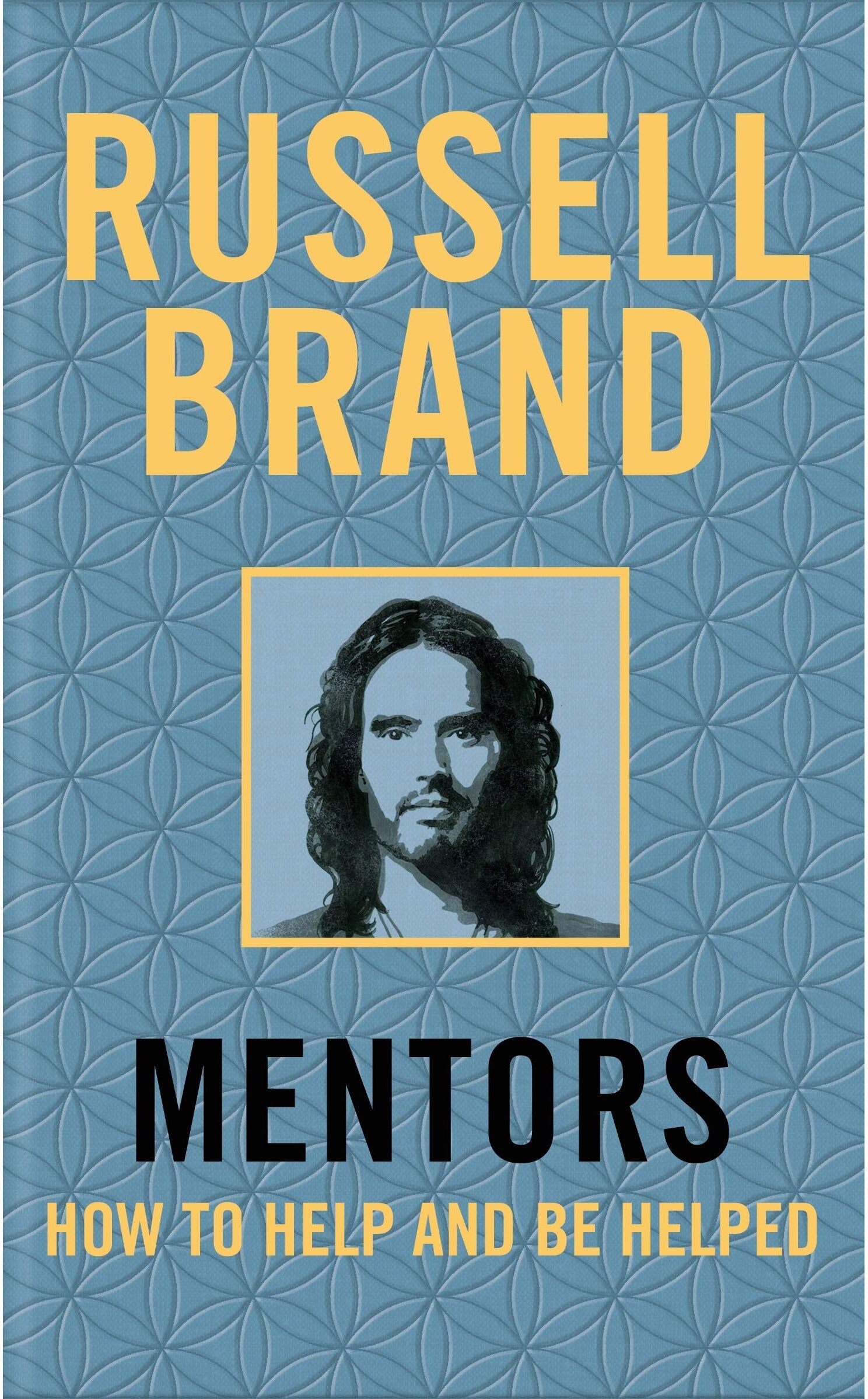
Bluebird Mentors: How to Help and Be Helped by Russell Brand – Personal Growth & Guidance BookRussell Brand Mentors How to Help and Be Helped ‘I have mentors in every area of my life, as a comic, a dad, a recovering drug addict, a spiritual being and as a man who believes that we, as individuals and the great globe itself, are works in progress and that through a chain of mentorship we can improve individually and globally, together . . . One of the unexpected advantages my drug addiction granted is that the process of recovery that I practise includes a mentorship tradition. I will encourage you to find mentors of your own and explain how you may better use the ones you already have. Furthermore, I will tell you about my experiences mentoring others and how invaluable that has been on my ongoing journey to self-acceptance and how it has helped me to transform from a bewildered and volatile vagabond to a (mostly) present and (usually) focussed husband and father.’ – Russell Brand Mentors: How to Help and Be Helped describes the impact that a series of significant people have had on the author – from the wayward youths he tried to emulate growing up in Essex, through the first ex-junkie stage, to the people he turns to today to help him be a better father. It explores how we all – consciously and unconsciously – choose guides, mentors and heroes throughout our lives and examines the new perspectives they can bring.1,99 £*Shipping: 1,99 £Secure redirect to the provider
-
Inspire Select Dog Lift Support Harness Adjustable Rear Leg Support Sling For Mobility Assistance blue lHelp your furry companion move with greater comfort and confidence using this supportive dog lift harness. Designed to provide reliable assistance for pets with mobility challenges, this dog support sling helps reduce strain while walking, climbing...157,95 $*Shipping: 0,00 $Secure redirect to the provider
-
Souvenir Press Living the Artist's Way: An Intuitive Path to Creativity by Julia Cameron - Paperback Self-Help Book on Creativity & GuidanceDiscover Julia Cameron's intuitive path to creativity with Living the Artist's Way, a practical companion for anyone seeking to deepen their creative recovery and quieten self-doubt. This brand new paperback from Souvenir Press invites readers into a deeply personal exploration of how guidance, both spiritual and intuitive, can transform the creative life. Cameron's signature practices, including Morning Pages, Artist Dates, and Walks, are built upon in this six-week programme, introducing readers to Writing for Guidance as a fourth core discipline. A warm and supportive guide for anyone looking to reconnect with their creativity and overcome self-doubt, Living the Artist's Way is a must-read for anyone on a journey of creative discovery.9,99 £*Shipping: 2,99 £Secure redirect to the provider
-
Inspire Select Dog Lift Support Harness Adjustable Rear Leg Support Sling For Mobility Assistance gray xlHelp your furry companion move with greater comfort and confidence using this supportive dog lift harness. Designed to provide reliable assistance for pets with mobility challenges, this dog support sling helps reduce strain while walking, climbing...90,98 $*Shipping: 0,00 $Secure redirect to the provider
-
What is vestibular syndrome in dogs?
Vestibular syndrome in dogs is a condition that affects the inner ear and the balance system. It can be caused by a variety of factors, including infections, inflammation, or even tumors. Symptoms of vestibular syndrome include loss of balance, head tilt, rapid eye movements, and difficulty walking. While the sudden onset of these symptoms can be alarming, many dogs can recover with supportive care and treatment. It's important to consult with a veterinarian if you suspect your dog is experiencing vestibular syndrome to determine the underlying cause and appropriate treatment. **
-
What signs does an older dog with vestibular syndrome show?
An older dog with vestibular syndrome may show signs such as sudden loss of balance, head tilt, circling or falling to one side, rapid eye movements (nystagmus), and difficulty standing or walking. They may also exhibit signs of nausea, such as vomiting or loss of appetite. It is important to seek veterinary care if you notice these symptoms in your older dog, as vestibular syndrome can be distressing and uncomfortable for them. **
-
What signs does an older dog suffering from vestibular syndrome show?
An older dog suffering from vestibular syndrome may show signs such as sudden loss of balance, head tilt, circling or falling to one side, rapid eye movements (nystagmus), and difficulty standing or walking. They may also exhibit signs of nausea, such as drooling or vomiting. It is important to seek veterinary care if you notice these symptoms in your older dog. **
-
What are the signs of an older dog suffering from vestibular syndrome?
Signs of an older dog suffering from vestibular syndrome include sudden loss of balance, head tilt, circling or falling to one side, rapid eye movements (nystagmus), and difficulty standing or walking. Other symptoms may include nausea, vomiting, and a general sense of disorientation. It is important to seek veterinary care if you notice these signs in your older dog, as vestibular syndrome can be distressing for them and may require medical treatment. **
Similar search terms for Vestibular
-
Inspire Select Dog Lift Support Harness Adjustable Rear Leg Support Sling For Mobility Assistance gray mHelp your furry companion move with greater comfort and confidence using this supportive dog lift harness. Designed to provide reliable assistance for pets with mobility challenges, this dog support sling helps reduce strain while walking, climbing...148,95 $*Shipping: 0,00 $Secure redirect to the provider
-
Inspire Select Dog Lift Support Harness Adjustable Rear Leg Support Sling For Mobility Assistance blue xlHelp your furry companion move with greater comfort and confidence using this supportive dog lift harness. Designed to provide reliable assistance for pets with mobility challenges, this dog support sling helps reduce strain while walking, climbing...90,98 $*Shipping: 0,00 $Secure redirect to the provider
-
Inspire Select Dog Lift Support Harness Adjustable Rear Leg Support Sling For Mobility Assistance blue mHelp your furry companion move with greater comfort and confidence using this supportive dog lift harness. Designed to provide reliable assistance for pets with mobility challenges, this dog support sling helps reduce strain while walking, climbing...148,95 $*Shipping: 0,00 $Secure redirect to the provider
-
Inspire Select Dog Lift Support Harness Adjustable Rear Leg Support Sling For Mobility Assistance gray sHelp your furry companion move with greater comfort and confidence using this supportive dog lift harness. Designed to provide reliable assistance for pets with mobility challenges, this dog support sling helps reduce strain while walking, climbing...138,99 $*Shipping: 0,00 $Secure redirect to the provider
-
What signs does an older dog show when suffering from vestibular syndrome?
An older dog suffering from vestibular syndrome may exhibit symptoms such as sudden loss of balance, head tilt, circling or leaning to one side, rapid eye movements (nystagmus), and difficulty standing or walking. They may also experience nausea, vomiting, and disorientation. It is important to seek veterinary care if you notice these signs in your older dog, as vestibular syndrome can be distressing for them and may require medical treatment. **
-
How do you get the dog to eat when it has vestibular syndrome?
When a dog has vestibular syndrome, it may experience nausea and loss of appetite. To encourage the dog to eat, you can try offering small, frequent meals of easily digestible food such as boiled chicken and rice. You can also warm the food slightly to enhance its aroma and make it more appealing. Hand-feeding or using food puzzles to make mealtime more engaging may also help stimulate the dog's appetite. If the dog continues to refuse food, consult with a veterinarian for further guidance and possible appetite stimulants. **
-
How do you get the dog to eat when he has vestibular syndrome?
When a dog has vestibular syndrome, it is important to encourage them to eat by making their food more appealing. This can be done by warming up their food slightly to enhance the aroma, offering high-value treats, or hand-feeding them. It is also helpful to feed smaller, more frequent meals to prevent them from feeling overwhelmed. Additionally, consulting with a veterinarian for guidance on appetite stimulants or medications may be necessary in severe cases. **
-
How do you get the dog to eat when it has a vestibular syndrome?
When a dog has vestibular syndrome, it may experience nausea and loss of appetite. To encourage the dog to eat, you can try offering small, frequent meals of highly palatable and easily digestible food. Warm the food slightly to enhance its aroma and make it more appealing. Hand-feeding or using food puzzles to make mealtime more engaging can also help stimulate the dog's appetite. If the dog is still not eating, consult with a veterinarian for further guidance and possible appetite stimulants. **
* All prices are inclusive of VAT and, if applicable, plus shipping costs. The offer information is based on the details provided by the respective shop and is updated through automated processes. Real-time updates do not occur, so deviations can occur in individual cases. ** Note: Parts of this content were created by AI.